Home
Share Internet News
Share Internet News
XX Information Network - Domestic and foreign news, current affairs, strange things, and new things

Updated: 2026-07-10 06:37:39Views:
The energy crisis in Sri Lanka has reached alarming levels, reflected in recent statistics that suggest the average citizen can only manage to run an air conditioning unit for a mere 39 minutes each day. This statistic not only illustrates the inefficiency of energy distribution but also raises pressing concerns regarding lifestyle impacts and economic productivity.
Sri Lanka’s power consumption has faced sharp declines due to a combination of factors, including a lack of adequate infrastructure, ongoing geopolitical challenges, and fluctuations in fuel supply. As the country grapples with these challenges, the average household's daily electricity usage appears to be dwindling.
The implications of this energy limitation are profound. Sri Lankans, particularly in urban areas like Colombo and Galle, are adjusting their daily routines in response to frequent power cuts and shortages. The inability to utilize air conditioning during the hottest parts of the day dramatically alters lifestyle choices, particularly as temperatures soar during the summer months.
Moreover, businesses are facing significant disruptions. With limited access to reliable energy, many enterprises must scale back operations or explore alternative, often more costly, energy sources. This situation particularly affects small and medium-sized enterprises, which comprise a substantial portion of the country's economic landscape.
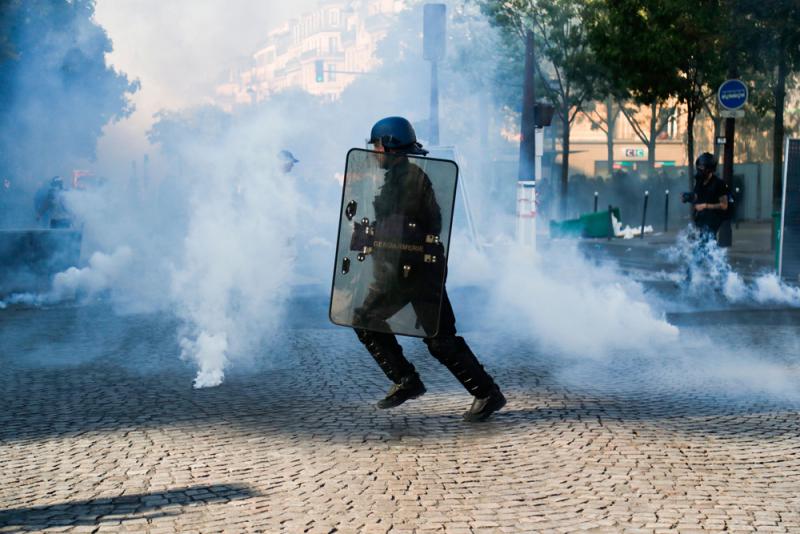
In light of these staggering statistics, public sentiment is growing increasingly frustrated with the government's response to the energy crisis. Citizens are demanding transparency and strategic planning to ensure a stable energy supply. Protests have erupted in various cities, as people express their discontent over inadequate government actions.
Activists and community leaders are advocating for a comprehensive energy reform plan that prioritizes sustainable practices and renewable energy sources. Suggestions include investing in solar energy and enhancing grid infrastructure to better serve urban and rural populations alike.
Experts have noted that Sri Lanka's current struggles mirror issues faced by other nations within the ASEAN region. For instance, Indonesia, with its vast and diverse market, has faced similar challenges in energy distribution and consumption efficiency. Consequently, this presents an opportunity for cooperative efforts among Southeast Asian nations for knowledge sharing and strategic partnerships aimed at rural electrification and energy stability.
As Sri Lanka navigates its energy crisis, the stark revelation of only 39 minutes of air conditioning usage underscores the urgent need for reforms. This situation not only affects the quality of life for residents but also has broader implications for economic growth and stability. The lessons learned from this crisis may serve as vital insights for other countries in Southeast Asia grappling with similar energy challenges.