Home
Share Internet News
Share Internet News
XX Information Network - Domestic and foreign news, current affairs, strange things, and new things

Updated: 2026-06-27 21:53:15Views:
The recent World Cup match between Egypt and Iran was more than just a sporting event; it became a focal point for joy, disappointment, and widespread protests. As teams clashed on the field, the backdrop of societal tensions and aspirations took center stage, making this match a significant moment for both nations.
As fans gathered in stadiums and living rooms across the globe, the air buzzed with excitement. The Egypt-Iran match, a highly anticipated fixture, served as a reminder of the emotional investment that fans pour into their national teams. Supporters donned jerseys, waved flags, and shared predictions, turning this match into a cultural event.
Both nations have a storied history in football, with passionate fan bases that have fueled rivalries for decades. This World Cup encounter was anticipated not only for its sporting implications but also for the political and cultural narratives intertwined with it.
The match triggered a cascade of emotions ranging from exuberance to despair. As goals were scored and missed, reactions from fans reflected the stakes involved. For many, this game was about national pride, while for others, it served as an outlet for expressing frustrations over broader socio-political issues.
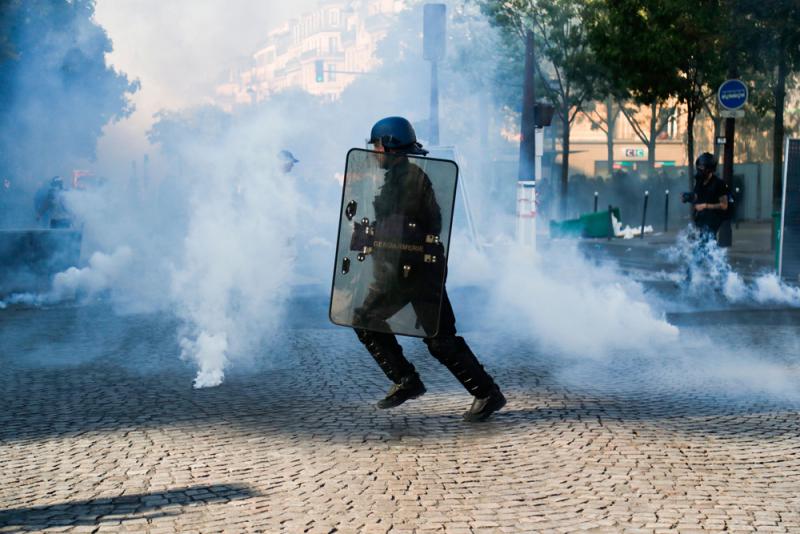
While the match offered a platform for sporting spirit, it also became a stage for political expression. Protests erupted in response to perceived injustices, with fans using the occasion to voice their concerns about issues far beyond football.
Sports have always served as a catalyst for social change, and this match was no different. Fans were seen carrying banners calling for reforms and expressing solidarity with various movements within their respective countries.
The Egypt-Iran match is a stark reminder of how sports can reflect societal challenges. The emotional rollercoaster of joy and disappointment showcases the deep ties between national identity and football, making it an essential focal point for discussions about cultural pride and political activism.
As the World Cup continues, the issues raised during the Egypt-Iran match will linger in the minds of fans and officials alike. The expressions of joy mixed with protests highlight the need for dialogue and introspection about the role of sports in society.
The Egypt vs. Iran World Cup match transcends mere athletic competition; it encapsulates the complexities of human emotion in the face of challenges. As the world watches, the implications of this match will continue to resonate, urging a closer examination of the intersecting realms of sports, politics, and societal expectations.