Home
Share Internet News
Share Internet News
XX Information Network - Domestic and foreign news, current affairs, strange things, and new things

Updated: 2026-06-23 18:56:45Views:
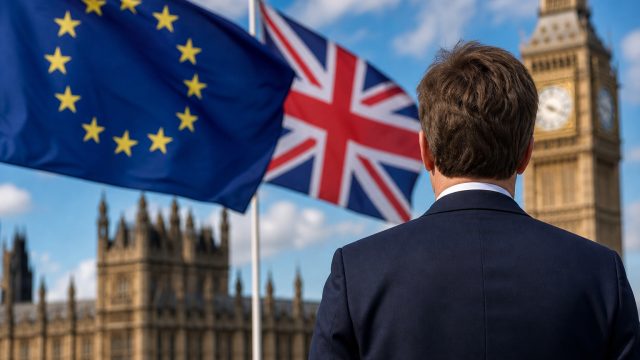
As the United Kingdom prepares for its next general election, the question on many minds is whether the new prime minister will take steps to reverse or modify the Brexit process. With a significant shift in public sentiment and evolving economic conditions, this topic is more relevant than ever.
Since the landmark referendum in 2016, Brexit has been a defining issue for UK politics. The decision to leave the European Union has led to a myriad of changes in trade, immigration, and regulatory policies, creating both challenges and opportunities. Recent polling indicates that a considerable portion of the public is re-evaluating the impact of these changes, particularly concerning economic stability and international relations.
Recent surveys reveal a growing discontent with the consequences of Brexit. Many citizens are questioning whether the benefits touted during the campaign have materialized. This sentiment is particularly strong among younger voters, who feel that Brexit may limit their future opportunities.
As political parties gear up for the elections, the views on Brexit among candidates are starkly divided. While some propose reversing certain aspects of Brexit, others are advocating for a more aggressive approach to negotiating terms with the EU.
Candidates favoring a reversal of Brexit highlight several potential benefits:
On the other hand, some candidates argue for a hardline approach, stating that the UK must maintain its sovereignty and pursue independent trading partnerships.
The economic ramifications of reversing or altering Brexit policies could be substantial. Analysts are divided on the potential outcomes, with some suggesting that rejoining the EU's Single Market could stimulate growth, while others warn of the complexities involved in such a shift.
Proponents of a Brexit reversal argue that:
However, reversing Brexit poses its challenges:
The next election could represent a critical juncture for the UK's future relationship with the European Union and its broader global standing. With rising public interest in reversing Brexit, potential prime ministers must navigate complex political waters. Regardless of the outcome, the stakes are high, and the implications will likely resonate for years to come. As the nation stands at this crossroads, it is essential for citizens to stay informed and engaged in the political process, as the decisions made now will shape the future trajectory of the UK.