Home
Share Internet News
Share Internet News
XX Information Network - Domestic and foreign news, current affairs, strange things, and new things

Updated: 2026-06-23 19:01:21Views:
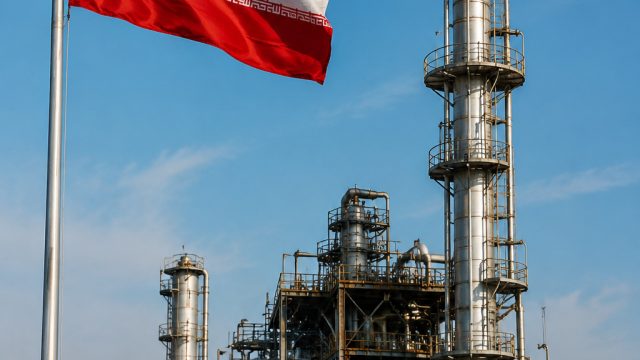
In a significant shift in foreign policy, the United States has temporarily lifted oil sanctions against Iran, allowing the nation to access billions of dollars in previously frozen assets. This decision, made amid ongoing negotiations regarding nuclear agreements, has the potential to reshape the global oil market and provide a much-needed economic boost for Tehran.
The easing of sanctions comes after a series of diplomatic talks that the Biden administration deemed "productive." By allowing Iran to resume its oil exports, the U.S. aims to encourage compliance with international agreements and stabilize a volatile region. This decision marks a departure from the hardline approaches of previous administrations and reflects a shift towards engagement.
As global energy prices remain high, the reinstatement of Iranian oil could significantly impact supply chains. Currently, many countries are grappling with energy shortages and inflation, making Iran's entry back into the market timely. The sanctions waiver is expected to bring Iranian oil back to Asia, particularly to nations like China and India, which have been the primary importers of Iranian crude.
The financial implications for Iran's economy are profound. With billions now available, the Iranian government is poised to reinvest in various sectors, enhancing infrastructure and social services. This influx of capital could help ease the burden of inflation and improve living standards for many Iranians.
Reactions to the U.S. decision have been varied. While some countries welcome the potential for increased supply, others fear the implications of a strengthened Iran on regional stability. The Biden administration faces the delicate task of balancing these opinions while ensuring that Iran adheres to its commitments under the Joint Comprehensive Plan of Action (JCPOA).
The future of U.S.-Iran relations remains uncertain. Continued diplomatic negotiations will be essential in maintaining this positive momentum. Monitoring Iran’s compliance and the broader impact on the energy market will be crucial as countries adjust to these changes.
The recent lifting of oil sanctions on Iran by the United States opens up new avenues for economic growth for Tehran, while also posing challenges for global energy markets. The unfolding dynamics will be critical in the coming months as nations react to this pivotal shift. Stakeholders, from governments to investors, must remain alert to the implications of this significant policy change.