Home
Share Internet News
Share Internet News
XX Information Network - Domestic and foreign news, current affairs, strange things, and new things

Updated: 2026-07-02 09:17:45Views:
As Iran gears up for the funeral of its former Supreme Leader, Ali Khamenei, the political landscape is fraught with uncertainty. Recent mobilization of the Basij, a paramilitary force closely aligned with the Iranian regime, has raised concerns about potential unrest and the government's response. This critical moment in Iranian history underscores the complexities of power transitions in a nation marked by political turmoil.
Khamenei's passing marks a pivotal juncture for Iran, a nation grappling with both internal dissent and external pressures. The funeral, set to attract significant attention, is expected to serve as a focal point for various factions within the country. The Basij's mobilization signals that the government is prepared for any eventuality, demonstrating the regime's readiness to confront opposition.
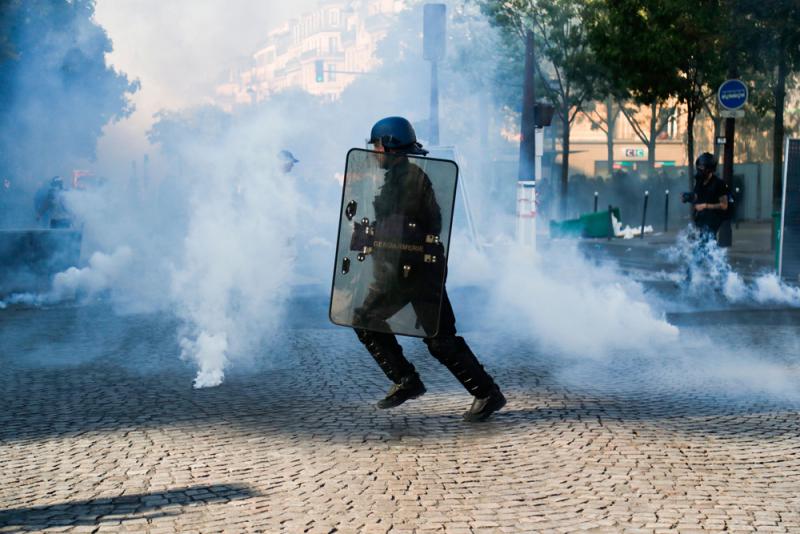
The Basij has historically been a tool for the Iranian government to maintain control and suppress dissent. With their recent mobilization, they are poised to play a crucial role during Khamenei's funeral, potentially deterring any protests or expressions of discontent from various groups advocating for reform.
The atmosphere in Iran is charged, with citizens increasingly frustrated by economic hardships and restrictions on freedoms. The transition of power following Khamenei's death could invite both anxiety and hope among the populace. Amid these sentiments, the government's actions in the coming days will be closely scrutinized.
While some mourn Khamenei's death as the end of an era, others see it as a chance for change. The public's reaction to the funeral will likely be a barometer of the regime's standing in the eyes of the people. Social media platforms are already abuzz with discussions about the potential for protests and statements against the government.
The implications of Khamenei's funeral extend far beyond the immediate occasion. Observers are keenly watching how the regime will navigate this transition and maintain stability. The potential for civil unrest poses questions about the future governance of Iran and the possibility of reform.
Countries around the world are monitoring the situation closely. The West, particularly, is interested in how this power shift might affect Iran's foreign policy, especially regarding nuclear negotiations and relations with regional actors. The funeral could either solidify the regime’s authority or expose deep-seated vulnerabilities.
As Iran prepares for Khamenei's funeral, the atmosphere is charged with uncertainty. The mobilization of the Basij suggests a readiness to confront dissent, while public sentiment remains mixed. The next few days are crucial; how the government responds to the events surrounding the funeral will significantly influence Iran's political landscape. Observers and citizens alike are left to ponder what this transition will mean for the future of the nation, as the potential for reform and unrest hangs in the balance.