Home
Share Internet News
Share Internet News
XX Information Network - Domestic and foreign news, current affairs, strange things, and new things

Updated: 2026-07-04 06:06:19Views:
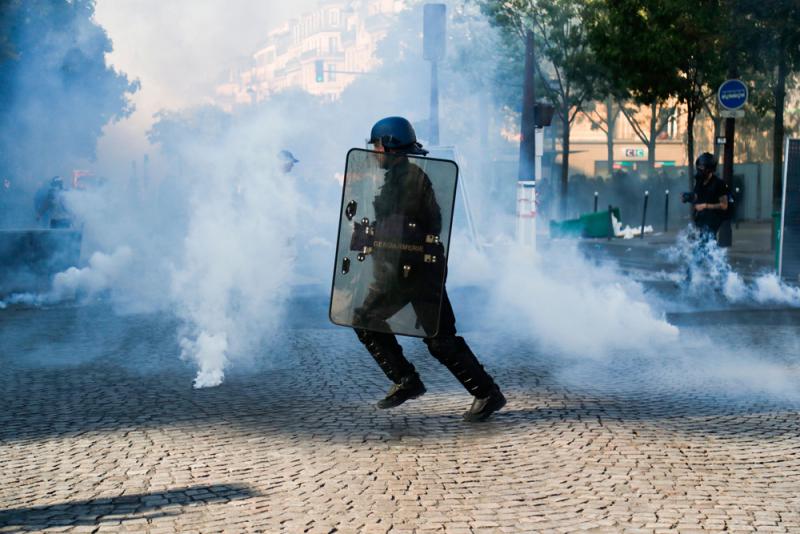
In a significant turn of events, a jury in Northern Ireland has found three men not guilty of murdering investigative journalist Lyra McKee. This verdict, announced on February 3, 2024, comes after a prolonged trial that has captivated the public and raised numerous discussions about accountability and press freedom. McKee, a prominent journalist known for her work on the Troubles and its aftermath, was killed in 2019 during rioting in Derry. The ruling has sparked a wide array of reactions from activists, politicians, and the media.
The acquittal of the three men accused in McKee's murder is not just a legal outcome; it has deeper implications for the media landscape in Northern Ireland and beyond. As a journalist who was probing sensitive topics, McKee's death underscored the dangers faced by reporters, particularly those covering contentious issues related to historical conflicts. The lack of conviction raises alarms about the effectiveness of the judicial system in delivering justice for crimes against journalists.
International organizations advocating for press freedom have expressed their dismay at the outcome, highlighting that this trial was closely watched globally. The decision could set a worrying precedent for future cases, as it raises questions about the safety of journalists operating in conflict zones. The increasing violence against media personnel demands urgent attention to ensure that such acts do not go unpunished.
In the wake of this verdict, various press freedom organizations, including Reporters Without Borders, have called for greater protections for journalists. They argue that without significant legal reforms and enhanced safety measures, the environment for journalists in Northern Ireland could remain perilous. The need for a transparent and accountable judicial process is paramount to safeguard the rights of media workers and ensure that their work can continue without the threat of violence.
The public's response to the not guilty verdict has been mixed. Many share feelings of disappointment and frustration, seeing the acquittal as a setback for justice. Family members and friends of McKee have voiced their anguish, stating that the decision undermines the fight for justice not only for McKee but for all journalists who risk their lives to uncover the truth.
Political leaders have also weighed in on the situation. Northern Ireland's First Minister has emphasized the importance of ensuring that journalists can operate freely and safely. He reiterated that the struggle for justice continues, and that the authorities must do more to protect those who hold the powerful to account.
The acquittal has reignited discussions about the need for legal reforms in Northern Ireland, particularly regarding the prosecution of violent acts against journalists. Advocates are calling for more robust laws that recognize the unique risks faced by media personnel. Engaging with lawmakers and stakeholders to develop a comprehensive strategy is essential to address these critical issues.
The not guilty verdict in the Lyra McKee murder trial marks a significant moment in the ongoing discourse surrounding press freedom and justice in Northern Ireland. While the legal proceedings may have concluded, the conversations about the safety of journalists and the accountability of perpetrators continue. The international community remains watchful, urging that the memory of Lyra McKee and the fight for justice drive necessary reforms to protect those who seek to inform the public.